
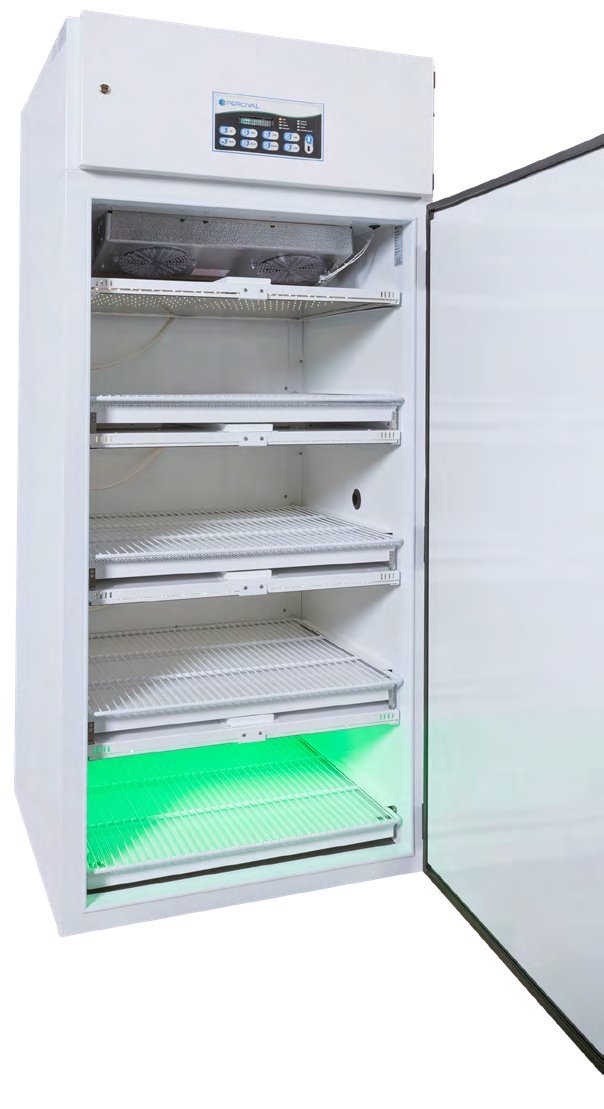
Plant Tissue Culture: Conditions and Equipment for In Vitro Growth
- Micropropagation
- Germplasm conservation
- Genetic transformation
- Somatic embryogenesis
- Haploid and doubled-haploid production
- Secondary-metabolite cultures
Tissue Culture Stages and Their Conditions
| Stage | Purpose | Typical environment |
|---|---|---|
| Initiation | Establish clean explants in culture | Constant temperature, often low light or dark at first |
| Multiplication | Produce many shoots from each explant | Around 24–26 °C with a 16 h photoperiod in most protocols |
| Rooting | Induce roots on shoots before transfer | Similar to multiplication; some protocols use lower light |
| Acclimatisation | Harden plantlets to lower humidity outside the vessel | High humidity at first, reduced gradually, in a growth chamber or greenhouse |
Environmental Factors in Tissue Culture
Even temperature on every shelf
Light without heat
Gentle airflow
Dimmable light
Shelf capacity
Recommended Equipment for Tissue Culture
Catalogues and Compliance Documents
Frequently Asked Questions
What conditions do plant tissue cultures need?
Most protocols use a constant temperature around 24–26 °C and a 16-hour photoperiod at modest light levels, but species and stages differ. Follow your protocol; we will configure the chamber to match.
Why does condensation form inside culture vessels?
Heat from lamps below or beside a shelf warms the medium and air in the vessel, and water condenses on the cooler lid. Condensation reduces light, encourages contamination and can drip onto cultures. Percival PetriClear LED lighting and slow vertical airflow are designed to prevent it.
What light intensity do tissue culture chambers provide?
Percival CU chambers deliver 170–200 µmol/m²/s at 15 cm, dimmable in 1% steps, so you can set the lower levels most cultures need.
Chamber or culture room?
Chambers suit research groups and several protocols at once; culture rooms suit commercial-scale micropropagation. See tissue culture chambers and walk-in rooms.
What else does a tissue culture lab need?
A reliable autoclave for media and tools, such as the TOMY SX-500U and SX-700U, plus laminar flow and a growth chamber for acclimatisation.
How do I reduce contamination?
Sterilise media and tools properly, work aseptically, keep chambers clean and avoid condensation inside vessels.